


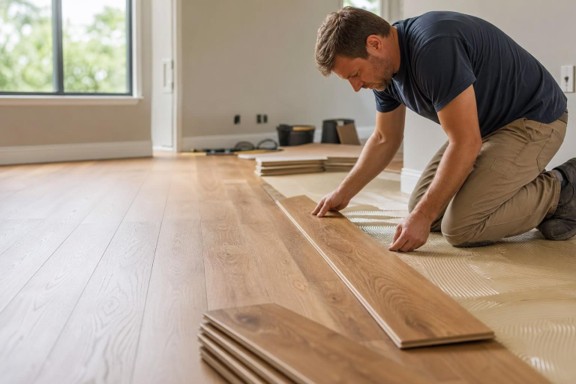
Discover how long flooring installation takes in Paramus with our timeline by flooring type, covering hardwood, tile, and factors that affect project speed.
Planning a floor renovation in Paramus and wondering how long you'll be living around construction dust and displaced furniture? You're not alone. It's one of the first questions every homeowner asks, and the answer is rarely as simple as the number you'll find on a product box. The actual timeline for flooring installation in Paramus depends on the material you choose, the condition of your existing floors, and a handful of local factors that most generic guides ignore entirely. A standard 300-square-foot living room might take one day with luxury vinyl plank or stretch into a full week with natural stone tile. That gap matters when you're coordinating with movers, planning around kids' schedules, or trying to get your home back together before the holidays. This guide breaks down realistic timeframes for each flooring type, explains what can slow things down in northern New Jersey specifically, and gives you practical strategies to keep your project on schedule. Whether you're renovating a single room or redoing an entire house, knowing what to expect upfront saves you from the frustration of a project that drags on longer than it should.
Estimating Your Paramus Flooring Project Timeline
The biggest mistake homeowners make is confusing "installation time" with "project time." A contractor might tell you hardwood installation takes three days, and that's technically true for the nailing and finishing. But your project actually started the moment you ordered materials and won't end until the last piece of trim is in place and your furniture is back where it belongs.
A realistic flooring project timeline in Paramus typically breaks down into three phases: preparation (one to five days), installation (one to seven days), and finishing (one to two days). Preparation includes removing old flooring, repairing the subfloor, and letting certain materials acclimate to your home's temperature and humidity. Finishing covers baseboards, transitions between rooms, and cleanup.
For a typical Paramus home with 500 to 800 square feet of flooring, expect the total project to run anywhere from three days on the fast end (click-lock vinyl in good conditions) to two weeks or more for hardwood with stain and multiple coats of polyurethane. Most projects fall somewhere in the five-to-eight-day range once you factor in everything beyond the actual floor going down.
Average Installation Times by Material Type
Not all flooring is created equal when it comes to speed. The material you pick has the single biggest impact on how long your installer will be in your home, so understanding each timeline by flooring type helps you plan realistically.
Hardwood and Engineered Wood Duration
Solid hardwood is the slowest flooring to install, and it's not close. A 400-square-foot room typically takes two to three days just for the nailing or glue-down process. If you're having the wood finished on-site (sanded, stained, and sealed after installation), add another three to five days for multiple coats and drying time between each one. Prefinished hardwood cuts that finishing phase out entirely, which is why it's become the more popular choice in Paramus renovations.
Engineered wood installs faster than solid hardwood because many products use a floating or click-lock system. Expect one to two days of installation time for an average room. The hardwood installation duration also depends on the layout pattern: a straightforward plank layout goes quickly, while herringbone or chevron patterns can double the labor time because of the precise angle cuts required at every piece.
Laminate and Luxury Vinyl Plank Speed
These are the speed champions. A skilled crew can install 400 to 600 square feet of luxury vinyl plank (LVP) or laminate in a single day. The click-lock floating systems don't require adhesive or nails, which eliminates drying time and simplifies the process dramatically.
LVP has become especially popular in Paramus homes with below-grade basements or areas prone to moisture, since it handles humidity better than wood. A full basement conversion of 600 square feet typically takes one to two days. Laminate moves at a similar pace, though cutting around complex room shapes or lots of doorways can slow things down.
Tile and Natural Stone Complexity
Tile is where timelines stretch the most. Ceramic and porcelain tile for a standard bathroom (40 to 60 square feet) usually takes two to three days: one day for layout and setting, one for grouting, and often a third for drying and sealing. A larger kitchen floor of 150 to 200 square feet can run three to five days.
Natural stone (marble, travertine, slate) takes even longer because each piece needs individual attention. Variations in thickness require more mortar adjustment, and many stones need sealing before and after grouting. A 200-square-foot stone floor can easily take a full week. The tile and vinyl timelines differ so dramatically that homeowners choosing between the two should treat speed as a real decision factor, not just an afterthought.
Local Factors Affecting New Jersey Installations
Paramus sits in Bergen County, and several local conditions affect how flooring projects unfold here that you won't find in a generic national guide.
Humidity is the big one. Northern New Jersey summers push indoor humidity levels into the 60 to 70 percent range without air conditioning, and winters with forced-air heat can drop indoor humidity below 30 percent. Both extremes affect wood flooring. Hardwood and engineered wood need to acclimate to your home's conditions before installation, and in Paramus, that acclimation period can run longer during seasonal transitions (especially late spring and early fall when conditions fluctuate).
Permitting is another factor. Paramus requires building permits for certain renovation work, particularly if you're modifying subfloor structure or adding radiant heat beneath new flooring. The permit process through the Paramus Building Department typically adds three to ten business days before work can begin. Not every flooring job requires a permit, but if yours does, ignoring it can result in fines or forced removal of completed work.
Contractor availability also varies seasonally. Spring and fall are peak renovation seasons in Bergen County, and popular installers book out four to six weeks in advance during these periods. Winter installations are often easier to schedule, and some contractors offer lower rates during their slower months.
Critical Preparation Steps That Add Time
The prep work before a single plank or tile goes down often takes longer than the installation itself. Skipping or rushing this phase is the number one cause of flooring failures, and experienced Paramus contractors won't cut corners here regardless of your timeline pressure.
Old flooring removal is the first variable. Pulling up carpet takes a few hours. Removing old tile can take an entire day because of the mortar underneath. If you have multiple layers of old flooring (common in older Paramus homes built in the 1950s through 1970s), removal alone might run one to two days. Some homes in the area also have asbestos-containing vinyl tiles from the mid-20th century, which require professional abatement and can add a week or more to the schedule.
Subfloor Repair and Acclimation Requirements
Once the old flooring is out, the subfloor needs inspection. Plywood subfloors in Paramus homes frequently show water damage near bathrooms, kitchens, and exterior walls. Soft spots, squeaks, or uneven areas all need repair before new flooring goes on top. Minor patching takes a few hours, but replacing sections of subfloor plywood can add a full day.
Acclimation is the other time factor that catches homeowners off guard. Solid hardwood should sit in your home for three to seven days before installation so it adjusts to your indoor temperature and moisture levels. Engineered wood typically needs two to three days. LVP and laminate usually need 48 hours, though some manufacturers specify only 24. Skipping acclimation leads to gaps, buckling, and warranty voidance: it's not optional, even though it feels like dead time in your schedule.
Concrete subfloors (common in Paramus basements and slab-on-grade homes) need moisture testing before any installation. If moisture levels exceed the flooring manufacturer's threshold, you'll need a moisture barrier or remediation, adding another day or two.
How to Minimize Delays During Your Renovation
The factors that affect speed aren't all outside your control. Smart planning eliminates most preventable delays.
Clear the rooms completely before your installer arrives. Moving furniture on installation day wastes billable hours and pushes the timeline back. If you can't move heavy pieces yourself, schedule a separate crew the day before.
Order 10 percent more material than the square footage requires. Running short mid-project means waiting for a restock shipment, which can stall work for days. Paramus flooring suppliers typically keep popular products in stock, but specialty orders from manufacturers can take two to four weeks.
Make decisions about transitions, baseboards, and trim before installation begins. Indecision during the project is one of the most common causes of delays. Pick your quarter-round profile, your transition strip style, and your threshold pieces before day one.
Keep your HVAC running during the project. Consistent temperature and humidity help with acclimation and adhesive curing. Don't turn off heat to save money during a winter installation: it will compromise the floor.
Be available or reachable by phone. Installers encounter surprises (unexpected subfloor damage, a measurement that doesn't match the plan), and quick decisions keep the work moving. A homeowner who can't be reached for approval can cost a crew half a day of waiting.
If you're doing multiple rooms, discuss sequencing with your contractor. Sometimes it makes sense to stagger rooms so you can still use part of your home during the project rather than displacing your entire household at once.
Scheduling Your Paramus Flooring Professional
Getting your installation timeline right starts well before the first board hits the floor. The best approach is to contact installers six to eight weeks before your target start date, especially if you're planning work during the busy spring or fall seasons in Bergen County.
Ask potential contractors three specific questions during your initial consultation: what is the total project duration (not just installation time), what preparation work is included in their quote, and what could extend the timeline once they inspect your subfloor. Good contractors will give you a range rather than a single number, because they know that surprises happen in older homes.
Get your material ordered and delivered at least two weeks before the scheduled start date. This gives you the acclimation time most products need and provides a buffer in case of shipping delays or damaged pieces in the delivery. Having everything on-site and ready when your crew shows up is the single most effective way to keep a project on track.
A flooring renovation in Paramus doesn't have to be a drawn-out ordeal. With the right material choice, honest prep work, and a contractor who communicates clearly, most homeowners are back to normal life within a week. The key is setting realistic expectations from the start: know your material's timeline, budget for preparation, and plan for the project you actually have rather than the one you wish you had. Your future self, walking across a beautiful new floor, will thank you for the patience.
